

From £1,100 per eye · complimentary assessment
Reshape Your Cornea and Restore Clear Vision Without Glasses or Contact Lenses.
Performed by our consultant-led team using advanced laser technology and personalised surgical planning.
Home » Treatments » Laser Eye Surgery » LASIK


 Trustindex verifies that the original source of the review is Google.
 Trustindex verifies that the original source of the review is Google.
 Trustindex verifies that the original source of the review is Google.
 Trustindex verifies that the original source of the review is Google.
 Trustindex verifies that the original source of the review is Google.
 Trustindex verifies that the original source of the review is Google.
 Trustindex verifies that the original source of the review is Google.
 Trustindex verifies that the original source of the review is Google.
 Trustindex verifies that the original source of the review is Google.
If you rely on glasses or contact lenses daily and want freedom from vision correction, LASIK eye surgery may be the solution. LASIK (Laser-Assisted In Situ Keratomileusis) is one of the most commonly performed refractive procedures worldwide, designed to reshape your cornea and allow light to focus accurately on your retina, restoring clear vision without glasses or contacts.
Most people develop refractive errors during childhood or early adulthood. Myopia (short-sightedness), hyperopia (long-sightedness) and astigmatism cause light to focus incorrectly on the retina, resulting in blurred vision. Glasses and contact lenses correct this by bending light. LASIK surgery offers a permanent alternative by reshaping the cornea itself, addressing the root cause.
At The Harley Street Eye Centre, LASIK surgery is planned and performed by a consultant ophthalmologist. We use advanced diagnostic imaging to map your cornea in precise detail and customise the laser treatment to your eye’s unique shape and prescription.
LASIK is a laser procedure that reshapes the cornea to correct refractive errors. The cornea is the clear, dome-shaped front surface of your eye. By precisely removing microscopic amounts of corneal tissue, we reshape it so light focuses correctly on the retina, eliminating or significantly reducing your need for glasses or contacts.
The procedure uses a two-stage laser approach. First, a femtosecond laser creates a thin flap in the cornea’s outer layer, which is gently lifted to expose the underlying tissue. Second, an excimer laser reshapes the exposed cornea based on your unique prescription and eye measurements. The flap is then repositioned and adheres naturally without stitches.
LASIK is typically performed as a day-case procedure under local anaesthetic eye drops, with each eye treated on the same day. The surgery itself usually takes around 15 to 20 minutes per eye, though you’ll spend additional time at the clinic for preparation and post-operative assessment.
Reshapes the cornea to correct myopia, hyperopia and astigmatism
Treats refractive errors and reduces dependence on glasses or contacts
Usually performed as a day procedure
Uses advanced femtosecond and excimer laser technology
Customised to your cornea’s unique shape and your prescription
Rapid visual recovery, with many patients seeing improvement within 24 hours
LASIK surgery is performed when refractive errors significantly affect your daily life, and you want to reduce or eliminate your dependence on glasses or contact lenses. It suits patients with stable prescriptions, healthy corneas, and realistic expectations about surgical outcomes.
You may be advised to consider LASIK if you:
LASIK offers rapid recovery compared to other refractive procedures. Many patients notice improved vision within 24 hours, allowing a quick return to normal activities. Your consultant will assess your individual circumstances and discuss whether LASIK is the most appropriate option for your eyes and lifestyle.
Most adults with refractive errors are suitable for LASIK eye surgery.
Most adults with refractive errors are suitable candidates for LASIK. Whether the procedure is right for you depends on a comprehensive assessment of your cornea, prescription stability and overall eye health.
You may be a good candidate if you:
During your consultation, your consultant will perform a detailed examination using advanced diagnostic imaging to assess your corneal thickness, shape, and overall suitability for LASIK. If LASIK is not suitable, we will discuss alternative refractive procedures, such as ICL (Implantable Collamer Lens) surgery.
Implantable Collamer Lenses (ICLs) are an advanced alternative for patients with high prescriptions, thin corneas, or other factors that make LASIK unsuitable. ICLs are soft, biocompatible lenses placed between your iris and natural lens, correcting vision without reshaping the cornea. This minimally invasive, reversible treatment offers crisp vision and is especially effective for high myopia, even up to -20 diopters.
Hear directly from patients whose lives were changed by surgeon-led care at The Harley Street Eye Centre.

Cadell
Laser Eye Surgery
“This surgery changed my life , it was like night and day. I was back to playing football like nothing happened.”

Joel
Laser Eye Surgery
“I literally woke up the next morning and could see , it was just like nothing had ever happened.”
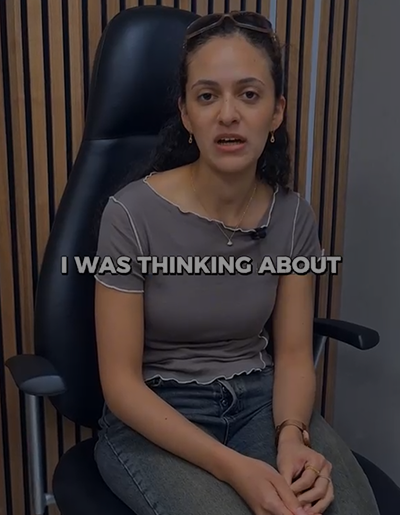
Amira
Laser Eye Surgery
“My questions were answered. I felt a lot more comfortable and I didn’t feel like I was ever rushed or pressured into making the decision.”

Sharon
Laser Eye Surgery
“I thought that was it… And once I saw him — oh my God, it was like… I said to him, you’re like my guardian angel. Because I just felt safe. I actually felt safe in his hands.”
From your initial consultation through surgery and follow-up care, an experienced consultant ophthalmologist leads every stage of your care. Using advanced diagnostic technology, we’ll conduct a detailed assessment, confirm your suitability, and develop a personalised treatment plan tailored to your needs.
A short film walking you through assessment, surgery day and aftercare at our Harley Street facility.
01
Getting started is straightforward. You can contact our clinic directly or book your complimentary assessment online, and our team will guide you through the next steps.
Before your appointment, we’ll ask a few questions about your:
This information helps us prepare for your consultation and tailor your assessment to your needs. Flexible appointment times and same-day consultations may also be available.
02
Your consultation begins with a detailed discussion of your vision, eye health and refractive correction goals, followed by a thorough eye examination. To assess your suitability for LASIK and plan your treatment, we use advanced diagnostic technology, which may include:
These assessments allow your specialist to confirm your refractive error, assess your corneal suitability, and determine the most appropriate laser approach for your eyes and lifestyle.
03
Following your assessment, your consultant will explain the findings and discuss whether LASIK is recommended for you.
You’ll receive clear guidance on:
If you need more time to consider your options, we’re happy to answer any questions before you decide.
04
LASIK is typically performed as a day procedure. Before your treatment, your surgeon will review your corneal measurements, prescription calculations and treatment plan to confirm that the most appropriate laser settings have been selected.
During the procedure, you’ll be positioned under the laser microscope. A speculum will gently hold your eye open, and numbing eye drops will keep you comfortable. Your surgeon will create a thin corneal flap using a femtosecond laser before carefully lifting the flap to expose the underlying corneal tissue.
The excimer laser then precisely reshapes your cornea based on your personalised treatment plan. You’ll be aware of the laser’s presence and may notice a clicking sound and a faint odour as the laser ablates the cornea; this is entirely normal. Throughout the procedure, an eye-tracking system monitors your eye position and adjusts the laser in real time to ensure accuracy.
Once reshaping is complete, the corneal flap is gently repositioned and left to naturally adhere. No stitches are required. The entire procedure typically takes 15 to 20 minutes per eye. Your surgeon may treat both eyes on the same day or schedule them separately, based on your preferences and clinical assessment.
05
Following LASIK, you’ll attend a series of follow-up appointments so your surgeon can monitor your healing, check your vision and confirm your eyes are recovering as expected.
Your postoperative care includes:
Many patients notice significantly improved vision within 24 to 48 hours. However, your vision may continue to stabilise over the following weeks as your cornea fully heals. Most patients achieve their final visual outcome within 3 months.
During recovery, you’ll need to avoid rubbing your eyes, strenuous exercise and swimming for at least one week. You should avoid contact sports for at least two weeks, and detailed aftercare instructions will be provided before you leave the clinic.
LASIK eye surgery starts from £1,100 per eye. The total cost depends on your treatment plan, prescription strength, and whether we’re treating one or both eyes. As every patient is different, we’ll confirm your final treatment cost after your comprehensive consultation and assessment.
We believe in transparent pricing, so you’ll receive a detailed breakdown of all fees before making any decisions.
Your Treatment Fee Typically Includes:
Should you decide to proceed with treatment, a £500 deposit is payable at the time of booking. To help make treatment more accessible, we also offer flexible payment plans and 0% interest finance options, allowing you to spread the cost over time.

Our team of experienced eye specialists combines decades of clinical expertise with a strong commitment to innovation, precision and patient-centred care.
Founder and Medical Director, Mr Marwan Ghabra, is a highly experienced ophthalmic surgeon, medical leader and innovator with more than 30 years of clinical and surgical experience. He is widely recognised for his work in corneal disease, keratoconus, cataract surgery and advanced refractive procedures, with particular expertise in complex and high-risk cases.

At The Harley Street Eye Centre, advanced technology is central to the planning and delivery of LASIK eye surgery. We use advanced diagnostic imaging and topography systems to assess your cornea with high precision. These detailed measurements allow us to customise the laser settings to your eye’s unique shape and prescription, helping us achieve the clearest possible vision outcome tailored to your lifestyle and visual goals.

We believe confidence in treatment begins with clear communication, careful assessment, and honest clinical advice, and our approach is grounded in transparency, safety, and consistently high standards of care.
Every patient receives a personalised treatment plan tailored to their eye health, prescription, lifestyle, and visual goals. We take the time to discuss suitability, expected outcomes, limitations and alternative options, helping patients make informed decisions with confidence.
For those considering treatment, we are also happy to facilitate opportunities to speak with patients who have undergone similar procedures, allowing prospective patients to hear first-hand experiences where appropriate.

Mr Marwan Ghabra is the Founder and Medical Director of The Harley Street Eye Centre, where he leads a multidisciplinary team delivering advanced, consultant-led eye care across a wide range of ophthalmic subspecialties, particularly in corneal disease and keratoconus.
He is the developer of the “Ghabra Technique”, an innovative approach to keratoconus management designed to address both anterior and posterior corneal irregularities. Alongside his private practice, he continues to manage complex surgical cases within the NHS, contributes to ophthalmic innovation and clinical research, and remains actively involved in education as a lecturer, mentor and international speaker.
LASIK is usually performed as a day procedure, and the surgery itself typically takes around 15 to 20 minutes per eye. You’ll spend additional time at the clinic before and after the procedure for preparation, final checks and post-operative assessment before returning home the same day. Both eyes are usually treated during the same visit, though your surgeon may recommend spacing them if required.
LASIK is usually performed under local anaesthetic eye drops, so most patients experience little to no pain during the procedure. You may feel light pressure or mild sensations during the surgery. Some patients notice a faint odour as the laser reshapes the cornea; this is entirely normal. Mild irritation, watering or grittiness afterwards is common and usually settles within a few days.
LASIK is one of the most common and well-established refractive procedures, with an excellent safety record when performed by an experienced surgeon. As with any surgical procedure, potential risks and complications exist, and your surgeon will discuss them with you before treatment. A thorough assessment beforehand helps ensure surgery is recommended only when it is appropriate for your eyes and circumstances.
LASIK uses two lasers to reshape your cornea. A femtosecond laser creates a thin flap in the outer corneal layer, which is gently lifted. An excimer laser then precisely removes microscopic amounts of corneal tissue to reshape it based on your prescription and eye measurements. The flap is repositioned and naturally adheres without stitches. This reshaping allows light to focus correctly on your retina, correcting your refractive error.
Many patients achieve vision that is clear enough to function without glasses or contacts after LASIK. However, some patients may still need glasses for certain activities, particularly reading or driving at night, depending on their prescription strength and individual healing response. Your surgeon will discuss realistic visual outcomes during your consultation. If you’re over 40, you may still require reading glasses due to presbyopia (age-related changes to the eye’s focusing ability).
Most patients notice significantly improved vision within 24 to 48 hours. Your vision will continue to stabilise over the following weeks as your cornea fully heals. Most patients achieve their final visual outcome within 3 months. You’ll need to avoid rubbing your eyes, strenuous exercise and swimming for at least one week, and contact sports for at least two weeks.
Yes, LASIK permanently reshapes the cornea. Once the procedure is complete, the cornea retains its new shape. However, your eyes can still undergo natural age-related changes, and your prescription may shift slightly over many years. If this occurs, retreatment (called an enhancement) may be possible and is often included in your initial treatment cost within 12 months.
Most adults with refractive errors are suitable for LASIK, provided they have a stable prescription, healthy corneas with adequate thickness, and no significant eye disease. The best way to determine your suitability is to attend a comprehensive consultation, where your surgeon will assess your cornea using advanced diagnostic imaging and discuss your individual circumstances, visual goals and any alternative options.
Your laser eye surgery assessment is complimentary. An hour with our diagnostic team and a real conversation with the surgeon who would treat you. No obligation.