
Retinitis Pigmentosa Explained: Answers to the 10 Most Common Patient Questions
Living with retinitis pigmentosa (RP) can feel overwhelming, especially with so much information — and misinformation — online. Patients and families often turn to Google with the same questions about symptoms, progression, inheritance, and treatment. To help cut through the noise, here are clear, evidence-based answers to the ten most frequently asked questions about RP.
What Is Retinitis Pigmentosa and How Does It Affect Your Vision?
Retinitis pigmentosa (RP) is a group of rare, inherited eye conditions that affect the retina — the light-sensitive layer at the back of your eye. The condition damages the photoreceptor cells responsible for capturing light and sending visual signals to the brain. Over time, these cells gradually stop working, leading to progressive vision loss.
RP usually begins with difficulties in low-light environments, such as night blindness, before affecting peripheral (side) vision. As the disease advances, many patients experience “tunnel vision,” where only central vision remains. In later stages, even central vision may be affected.
While RP does not cause pain, it does impact quality of life by limiting independence and making daily tasks more challenging. Understanding RP’s progression is the first step in planning treatment and support.
Why Do I Have Night Blindness? Early Signs of Retinitis Pigmentosa
One of the earliest symptoms of retinitis pigmentosa is night blindness — difficulty seeing in dimly lit environments such as restaurants, cinemas, or driving at night. This happens because rod cells, the retinal photoreceptors responsible for low-light vision, are typically the first to be affected by RP.
Patients may notice they bump into objects in poorly lit spaces, take longer to adjust when moving from bright to dark areas, or rely heavily on others when outdoors at night. These changes can appear in adolescence or early adulthood, though the age of onset varies widely depending on the genetic type of RP.
Recognising night blindness as a possible early sign is crucial. A thorough eye exam, often including retinal imaging and visual field testing, can confirm whether RP or another condition is responsible.
At What Point Does Retinitis Pigmentosa Cause Tunnel Vision?
As RP progresses, patients gradually lose peripheral vision, the wide-angle sight that helps us navigate our surroundings. This shrinking of the visual field is commonly called tunnel vision. The timeline varies: some people notice this in their 20s or 30s, while others maintain wider fields well into later life.
Tunnel vision develops because rod cells at the edges of the retina are damaged first, leaving central vision intact for longer. At this stage, patients may struggle with mobility, bump into objects, or find it difficult to judge distances.
Although there’s no way to predict the exact pace of progression, regular monitoring with visual field tests helps track changes. Mobility training, low-vision aids, and orientation strategies can make living with tunnel vision safer and more manageable.
Is Retinitis Pigmentosa Inherited? What You Should Know About Genetics
Yes — retinitis pigmentosa is a genetic condition, caused by mutations in more than 100 different genes that affect how the retina functions. The condition can be passed down in several inheritance patterns: autosomal dominant, autosomal recessive, or X-linked.
If RP runs in your family, you may inherit a faulty copy of a gene that leads to progressive retinal cell damage. Genetic testing can now identify the specific mutation responsible, which not only confirms the diagnosis but also helps guide prognosis and eligibility for future treatments like gene therapy.
For families, genetic counselling is invaluable. It can help parents understand the risk of passing RP on to their children, provide clarity about family history, and connect patients with clinical trials.
Can Light Exposure Make RP Worse? Myths vs. Reality
A common worry among patients is that exposure to bright light or sunlight may worsen RP. While light sensitivity is a symptom of the condition, there is no strong scientific evidence to suggest that normal sunlight directly accelerates its progression.
That said, protecting your eyes from excessive UV light is good practice for everyone, not just those with RP. Sunglasses with UV protection and wide-brimmed hats can reduce discomfort from glare and may contribute to overall retinal health.
The myth likely persists because patients naturally feel more discomfort in bright light, mistaking it for damage. The reality: RP is driven by genetics, not daily light exposure, though sensible protection remains part of good eye care.
Are There Effective Treatments for Retinitis Pigmentosa Today?
At present, there is no cure for retinitis pigmentosa, but there are treatments and supportive therapies that can slow its progression and improve quality of life. Traditional management has included vitamin A supplementation in carefully monitored doses, which has shown modest benefits in some patients. Low-vision aids, mobility training, and assistive technologies also play a big role in helping patients adapt.
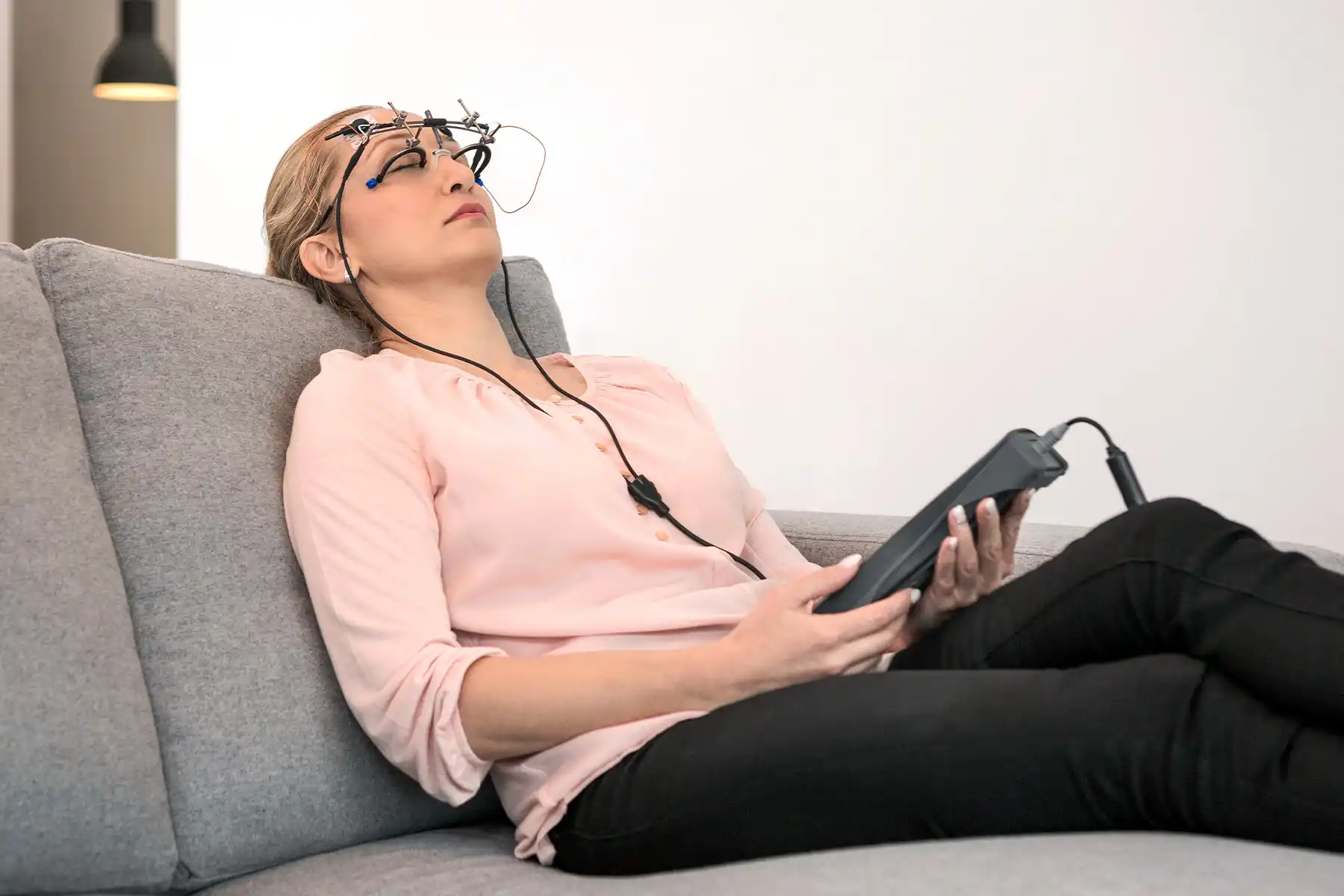
One of the most promising supportive approaches is Transcorneal Electrical Stimulation (TES). This therapy delivers gentle electrical pulses to the retina through the cornea using a specialised contact lens electrode. Research suggests that TES may help stimulate retinal cells, improve blood flow, and potentially slow down the rate of degeneration. Some studies have even reported stabilisation of visual fields and improved retinal function in patients with RP.
TES is not yet a universal standard of care, but clinical trials and international centres — including our work at The Harley Street Eye Centre — are helping establish its role in managing RP.
Alongside TES, gene therapy, stem cell research, and retinal implants are also advancing quickly. While none are definitive cures yet, they represent real hope for patients. For now, combining supportive care with access to emerging therapies offers the best path forward.
Will My Child Inherit Retinitis Pigmentosa? Heredity and Genetic Counseling
Parents with RP often worry whether their children will inherit the condition. The answer depends on the type of genetic mutation involved. In autosomal dominant RP, each child has a 50% chance of inheriting the condition. In autosomal recessive RP, both parents must carry the faulty gene, with a 25% chance per child. In X-linked RP, typically passed from mother to son, the risk varies by gender.
Genetic counselling offers clarity, helping families understand their unique risk and explore options such as genetic testing before or during pregnancy. While these conversations can be difficult, having accurate information allows families to plan for the future with confidence.
Can You Still Drive Safely with Retinitis Pigmentosa?
Driving with RP depends on the stage of the condition and local driving regulations. In the early stages, when central vision is intact, some patients may still meet the legal standards for driving. However, as peripheral vision narrows and night blindness worsens, driving becomes unsafe.
For many, giving up driving is one of the hardest parts of living with RP, as it represents independence. Low-vision rehabilitation specialists can support patients in transitioning away from driving and exploring alternatives such as public transport, mobility training, and assistive technologies for navigation.
Safety always comes first, and while losing the ability to drive is difficult, early preparation helps patients maintain independence in other ways.
Is There a Link Between Pregnancy and Faster RP Progression?
Some women with RP report changes in their vision during pregnancy, such as worsening night blindness or peripheral vision. While research is still limited, hormonal and metabolic changes may temporarily influence retinal health.
That said, there is no conclusive scientific evidence that pregnancy permanently accelerates RP. Each case is individual, and women with RP who are planning a family should discuss their condition with both their ophthalmologist and obstetrician. Monitoring vision closely during and after pregnancy ensures any changes are properly managed.
Living with RP: Low Vision Aids and Strategies to Preserve Quality of Life
While RP is progressive, there are many ways patients can adapt and maintain independence. Low-vision aids such as magnifying glasses, screen readers, and smartphone apps can help with reading and daily tasks. Mobility training teaches safe navigation in different environments, while support groups provide emotional reassurance.
Lifestyle habits — including regular exercise, a balanced diet, and protecting overall health — may also help preserve remaining vision.
Living with RP isn’t easy, but with the right tools and support, many people continue to lead active, fulfilling lives. Advances in treatment mean that the future for RP patients is brighter than ever.