
Retina Treatment in London
Our advanced diagnostics and cutting-edge retinal treatments help preserve vision and prevent complications from progressive eye conditions like diabetic retinopathy and macular degeneration.
Retinal Conditions We Treat
The retina is essential for capturing light and sending visual signals to the brain. Damage or disease in this delicate layer can lead to vision loss if left untreated. At our clinic, we treat a range of retinal conditions with a focus on early detection and proactive care.
Symptoms of Retinal Disease:
Blurred vision, dark spots or floaters, flashes of light, distorted central vision, or sudden vision loss.
Diabetic Retinopathy
What is it?
A complication of diabetes that damages blood vessels in the retina. It can cause bleeding, swelling, or scarring.
What’s happening in the eye?
High blood sugar weakens retinal vessels, leading to fluid leakage or abnormal new vessel growth.
Common Symptoms:
- Blurred or fluctuating vision
- Floaters or dark spots
- Vision loss in later stages
- Poor night vision
Why it matters:
Without early treatment, diabetic retinopathy can lead to permanent blindness. Regular monitoring is crucial.
Floaters
What is it?
Floaters are small shadows or strands drifting in your vision, often due to changes in the vitreous gel inside the eye.
What’s happening in the eye?
As the vitreous shrinks, it clumps and pulls away from the retina, casting shadows.
Common Symptoms:
- Grey or black dots, cobwebs, or strands
- Movement of spots with eye motion
- Occasional flashes of light
- Often more noticeable against bright backgrounds
Why it matters:
Most floaters are harmless, but sudden onset or changes may signal a retinal tear or detachment.
Retinitis Pigmentosa
What is it?
A group of inherited disorders that gradually reduce peripheral and night vision due to retinal degeneration.
What’s happening in the eye?
Photoreceptor cells (especially rods) deteriorate, causing progressive narrowing of the visual field.
Common Symptoms:
- Night blindness
- Tunnel vision
- Slow progressive loss of sight
- Sensitivity to bright light
Why it matters:
Early diagnosis and supportive therapies can help manage progression and maintain functional vision.
Retinal Detachment
What is it?
A medical emergency where the retina peels away from the back of the eye.
What’s happening in the eye?
Tears or holes in the retina allow fluid to separate the retina from its nourishing layers.
Common Symptoms:
- Sudden increase in floaters or flashes
- Curtain-like shadow over vision
- Rapid vision loss
- Distorted central vision
Why it matters:
Prompt surgical intervention can restore or preserve sight. Delays may lead to irreversible damage.
Age-Related Macular Degeneration (AMD)
What is it?
A common condition in older adults affecting the macula, responsible for sharp central vision.
What’s happening in the eye?
Degeneration of macular cells causes central vision to blur or distort. It can be dry (slow) or wet (fast, with fluid leakage).
Common Symptoms:
- Central vision loss or blurriness
- Distorted or wavy lines
- Trouble reading or recognising faces
- Dark patches in central vision
Why it matters:
Early treatment slows progression and preserves independence in daily activities.
Does This Sound Like You?
If you’re unsure whether laser eye surgery is right for you, consider the following:
- You rely on glasses or contacts daily and want more freedom
- You’ve been told you have a stable prescription
- You experience eye strain or dry eyes with lenses
- You’re frustrated by bifocals or varifocals
- You avoid activities like swimming or travel due to vision limits
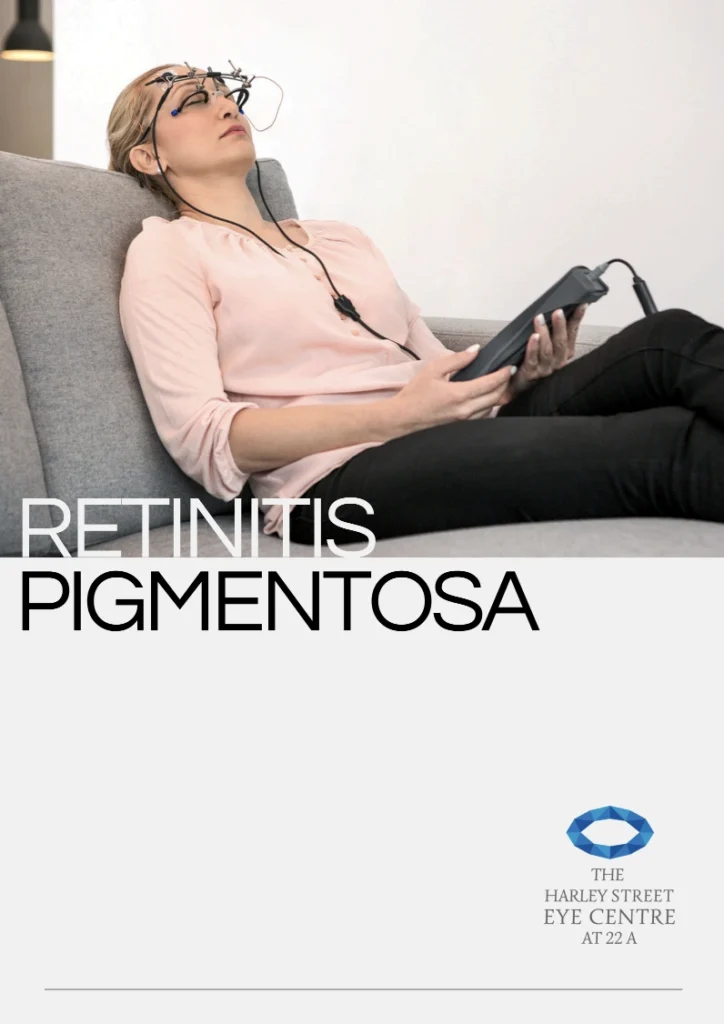
Download The Retinitis Pigmentosa Information Pack
Years helping people see better
Patients treated
Years of experience for our lead surgeon
Types Of Treatment
We offer a wide range of retinal treatments, depending on the condition and stage of disease:
- Intravitreal Injections: Anti-VEGF injections for AMD and diabetic retinopathy
- Vitrectomy: Surgical removal of the vitreous gel to treat floaters, bleeding, or detachment
- Transcorneal Electrical Stimulation (TES): Supports retinal function in degenerative diseases like RP
- Retinal Laser Therapy: Used to seal blood vessels, repair tears, and stabilise vision loss
Which Treatment Is Right For You?
| Criteria | Intravitreal Injection | Vitrectomy |
|---|---|---|
| Wet AMD or diabetic macular oedema | ✅ | ❌ |
| Retinal haemorrhage or vitreous opacities | ❌ | ✅ |
| Recurrent floaters impacting quality of life | ❌ | ✅ |
| Retinal detachment or surgical repair needed | ❌ | ✅ |
| Require ongoing management, not surgery | ✅ | ❌ |
International Patients
We welcome patients from abroad seeking expert retinal treatment in London. Our retina team offers virtual consultations, medical record reviews, and coordinated care planning to help you access advanced diagnostics and timely intervention.

How Much Do Retinal Treatments Cost?
We believe in transparent, individualised pricing based on your diagnosis and treatment needs. Initial consultations include full retinal imaging and a personalised care plan.
Comprehensive
Eligibility
Assessment
From
£1,500
Per Eye
Flexible
Installments
0% Interest
Retinal Treatments FAQ
Comprehensive guidance on retinal conditions and the treatments offered at The Harley Street Eye Centre.
Understanding Retinal Conditions
What are retinal diseases?
Retinal diseases affect the light-sensitive layer at the back of the eye, which is responsible for sharp, detailed vision. Conditions such as retinal tears, detachments, diabetic retinopathy, macular oedema, and age-related macular degeneration (AMD) can disrupt vision, sometimes suddenly, and often require urgent assessment.
What symptoms suggest a retinal problem?
Common warning signs include flashes of light, new or increasing floaters, shadows or curtains across vision, sudden blurriness, distortion of straight lines, or gradual loss of central vision. Any new onset of these symptoms should prompt immediate evaluation.
Why is urgent care important for retinal issues?
Retinal conditions can progress rapidly. A tear can lead to a detachment, macular disease can affect fine detail, and diabetic retinopathy can cause bleeding or swelling. Prompt diagnosis and treatment significantly improve the chance of preserving sight.
Treatments Offered at The Harley Street Eye Centre
What retinal treatments are available at the clinic?
Vitrectomy is a procedure in which the vitreous gel inside the eye is removed and replaced with a clear solution or gas bubble. It is used for:
- Retinal detachment repair
- Macular holes
- Epiretinal membranes
- Complications of diabetic eye disease
In some cases, cataract surgery may be performed at the same time to optimise visual outcome.
What is retinal laser treatment and when is it used?
Intravitreal injections deliver medication directly into the eye to treat conditions such as:
- Wet age-related macular degeneration (AMD)
- Diabetic macular oedema
Retinal vein occlusions
The medications (Eylea, Avastin, Lucentis, and similar agents) reduce swelling, slow abnormal blood vessel growth, and help preserve vision.
What are intravitreal injections and why are they needed?
Retinal conditions can progress rapidly. A tear can lead to a detachment, macular disease can affect fine detail, and diabetic retinopathy can cause bleeding or swelling. Prompt diagnosis and treatment significantly improve the chance of preserving sight.
Is the injection procedure painful?
Most patients describe only mild pressure. The eye is numbed fully with anaesthetic drops, and the injection itself takes only seconds.
How often do I need intravitreal injections?
Treatment frequency depends on the condition. Many patients start with monthly injections, then gradually extend intervals once stabilised. Your consultant tailors the plan according to your response on imaging scans.
Surgical Retinal Care
What is vitrectomy surgery?
The Centre offers a range of consultant-delivered retinal treatments, including:
- Retinal laser treatment (for tears, diabetic retinopathy or retinal ischaemia)
- Intravitreal injections (Eylea, Avastin, Lucentis)
Vitrectomy surgery (with or without simultaneous cataract surgery)
These cover both medical and surgical retinal care.
What does recovery involve after vitrectomy?
Recovery varies with the condition being treated. Gas bubbles require specific head positioning afterward to help the retina heal. Blurry vision is normal during early recovery, and improvement progresses gradually.
When is cataract surgery combined with vitrectomy?
Because vitrectomy can accelerate cataract formation, many surgeons perform combined surgery in patients over a certain age to avoid needing cataract surgery soon after. Your consultant will discuss whether this applies to you.
Diagnosis & Monitoring
How are retinal problems diagnosed?
Specialist assessment includes retinal imaging such as OCT (optical coherence tomography), wide-field photography, ultrasound (if needed), and dilated examination. These allow precise identification of tears, swelling, membrane formation, or fluid beneath the retina.
How often will I need monitoring after treatment?
Follow-up intervals vary depending on your condition, treatment, and response. Patients with injections are seen regularly for imaging, while those recovering from laser or surgery may require more frequent visits during early healing.
Suitability & Outcomes
Are retinal treatments effective?
Most retinal treatments aim to preserve vision and prevent further deterioration, although some can also improve clarity. Early treatment generally produces better outcomes. Many conditions — particularly AMD and diabetic macular disease — require ongoing care
Why choose a specialist centre like The Harley Street Eye Centre?
The clinic provides consultant-delivered retinal care, modern imaging, advanced laser technology, and surgical expertise. Treatment plans are personalised and evidence-based, ensuring patients receive high-quality, experienced retinal care from diagnosis through recovery.
Your Patient Journey
At Harley Street Eye Centre in London, your care is consultant-led and tailored to your vision, lifestyle and goals. From first enquiry through consultation, diagnosis and treatment, we explain every step in plain language and agree a plan together. Our clinic at 22a Harley Street combines advanced diagnostics and modern laser/surgical technology with clear aftercare and long-term monitoring where needed (e.g., keratoconus, glaucoma, retina). Use the tabs to see what happens at each stage — from booking to recovery — and what to expect on the day. When you’re ready, book a consultation or call our team.
We’re here to listen first. Tell us what’s bothering you, how it affects your day, and what you’d like to achieve. Our team will guide you to the most suitable consultant and appointment type at Harley Street Eye Centre.
- Share your symptoms, history and goals
- Quick suitability check for key treatments
- Advice on records to bring (glasses Rx, letters, scans)
- Appointment scheduled at a convenient time
- Clear confirmation with directions and next steps
We’re excited to see you at your appointment. Ask us anything — about treatments, the clinic, timings or fees. Our goal is to help you regain your independence and live life free from visual limitations.
- Discuss your eye health goals and lifestyle needs
- Full eye examination by a consultant ophthalmologist
- Vision testing and treatment eligibility assessment
- Diagnostic scans if required (e.g., OCT, topography, biometry)
- Start a personalised treatment plan and timeline
After reviewing your results, your consultant explains the findings in plain language and outlines safe, evidence-based options. You’ll make an informed decision together.
- Clear explanation of your diagnosis and prognosis
- Side-by-side comparison of suitable treatments (incl. non-surgical)
- Benefits, risks and expected recovery times discussed
- Transparent pricing and payment options explainedWritten summary of the agreed plan
You’ll be welcomed by our clinical team, who will conduct final checks and ensure your comfort throughout. Most procedures are quick with minimal downtime.
- Arrival, consent review and last-minute questions answered
- Pre-op measurements confirmed; anaesthetic drops if needed
- Consultant-delivered procedure using modern technology
- Immediate post-op checks and tailored aftercare instructions
- Safe journey-home guidance and contact details for support
Good outcomes rely on good aftercare. We’ll review your progress, fine-tune any medications as needed, and be available to provide advice if you require it between visits.
- Scheduled follow-ups to monitor healing and vision
- Symptom checklist and when to get in touch
- Medication/use of drops reviewed and adjusted
- Activity guidance (work, driving, exercise, screen time)
- Direct access to our team for reassurance and queries