
From £450 per eye · complimentary assessment
Our clinic provides comprehensive diagnosis and treatment of tear drainage disorders, including lacrimal syringing and dacryocystorhinostomy (DCR), to restore proper tear flow and protect ocular health.
Home » Treatments » Tear Duct Treatment
Posted on Google
 Mahbubur K
Trustindex verifies that the original source of the review is Google.
PROFESSIONAL WORK EXCELLENT CUSTOMER SERVICE ALL THE TIME OF CAME TO CHECKUP MY EYE .Posted on Google Yasin AI recently took my mum to the Harley Street Eye Centre, and I honestly cannot praise them enough. She was quite hesitant about going when it comes to your eyes, you don’t take any chances, and you need to be in the hands of people you can truly trust. From the moment we walked in, any nerves she had just melted away. The staff were incredibly professional, warm, and reassuring throughout the entire experience. They made my mum feel completely at ease, which for someone who was apprehensive about an eye appointment, meant the world to us. Nothing felt rushed, and you could tell they genuinely cared about their patients. They examined her thoroughly, gave a clear diagnosis, and sorted the issue without any fuss. The whole process was smooth, straightforward, and stress-free from start to finish. If you or a loved one are looking for an eye clinic where you’ll be treated with the utmost care and expertise, look no further than the Harley Street Eye Centre. Absolutely first class. We’ll be coming back without hesitation.Posted on Google
 Pablo KGood staff amazing customer servicePosted on Google
 Robynne HI had a great experience with this clinic from start to finish. The whole team were friendly, helpful, supportive, and incredibly professional throughout the process. They gave me all the information I needed and seemed to be very thorough during the assessment, which made me feel confident and well informed before going ahead with treatment. During the laser eye surgery itself, I felt completely reassured and in highly professional hands. The staff were calm, supportive, and talked me through everything, which really helped put me at ease. I’m over 40 and had an over/under correction approach to hopefully reduce the need for reading glasses in the future, and the team explained everything clearly so I felt comfortable with the decision. Just a few days after my LASIK treatment, I already have better than 20/20 vision and it’s crazy to see everything in what feels like HD. I also have thin corneas, so I wasn’t sure if I’d even be suitable for surgery, which makes the outcome even more amazing for me. I’m pleased I decided to go ahead with the procedure and would highly recommend this clinic to anyone considering laser eye surgery.Posted on Google
 Jill SI was recommended to The Clinic from a good friend and felt so relieved when I met with all the staff they treated me so well and with a very professional attitude which answered and gave me the confidence to have the surgery I needed. Thank you all for looking after me.Posted on Google
 Akram BDoctor Marwan is truly a dedicated ethical doctor who seeks the wellbeing of his patients I have been under his care for over 2 years and he has been treating me for my glaucoma and I now my vision is perfect . His staff is also very responsive and professional I will refer all my friends and family to him .Posted on Google
 Sana AI underwent LASIK surgery at Harley Street Eye Centre in March and would like to share my very positive experience. The entire process was handled with a high level of professionalism and care. Dr Ghabara, who performed my surgery, demonstrated exceptional expertise, and the procedure itself was smooth and remarkably efficient. The overall experience was excellent. I would also like to acknowledge Dr Hakam, who served as client coordinator and ensured that every stage of the process was clearly explained and well organised. In addition, April and Amanda at reception provided consistently courteous and attentive service, contributing to a welcoming and well-managed environment. I am particularly pleased to report that my recovery has been entirely uneventful, with no issues following the LASIK procedure, and I am extremely satisfied with the outcome. I would confidently recommend Harley Street Eye Clinic to anyone considering laser eye surgery.Posted on Google
 Antonio BI had an excellent experience at The Harley Street Eye Centre with the Mr Marwan Ghabra, Dr Hakam and all team of the Clinic. Dr Gnabra has a lot of knowledge and experience. I had LRE - Refractive Lens Exchange - Bilateral - LA surgery and the exams and surgery was with care, comfortable and no stress at all. High recommended. Thanks to entire team of The Harley Street Eye Centre.Posted on Google
 Philip HAfter so much research , Finally i found Mr Ghabra.and the team Here i was educated about my concerns for cataract Surgery and decided this was the Surgeon so placed my faith in Mr Ghabra at the Harley Street eye centre. My surgery was performed yesterday . Today perfect vision and no red eyes . Feel great , relieved and pround i made the decission to proceed. Thankyou
The naso-lacrimal system is essential for normal tear drainage from the eye into the nasal cavity. When this pathway becomes narrowed or obstructed, tears can no longer flow properly, leading to watering (epiphora), infection, or chronic discomfort.
What is it? A narrowing or blockage in the tear drainage channel that prevents normal tear flow.
What’s happening in the eye? Tears build up on the ocular surface or within the lacrimal sac, leading to overflow, discomfort, and infection.
Common Symptoms:
Why it matters: If untreated, obstruction can lead to chronic dacryocystitis, infection, and long-term drainage damage.
What is it? Inflammation or infection of the lacrimal sac, commonly caused by tear duct blockage
What’s happening in the eye? Tears and bacteria accumulate behind the blockage, causing redness, swelling, and tenderness.
Common Symptoms:
Why it matters: Prompt management prevents recurrent infection and protects surrounding tissue from damage.
You may benefit from lacrimal assessment or treatment if you:
Have constant watery eyes
Notice swelling near the nasal bridge
Experience discharge or sticky eyelids
Have had repeated eye infections
Were told you have a blocked tear duct
A simple diagnostic and therapeutic procedure used to test and clear partial obstructions.
Indications:
A surgical procedure that creates a new tear drainage passage between the lacrimal sac and the nasal cavity, bypassing the blocked duct.
Indications:
Hear directly from patients whose lives were changed by surgeon-led care at The Harley Street Eye Centre.

Cadell
Laser Eye Surgery
“This surgery changed my life , it was like night and day. I was back to playing football like nothing happened.”

Joel
Laser Eye Surgery
“I literally woke up the next morning and could see , it was just like nothing had ever happened.”
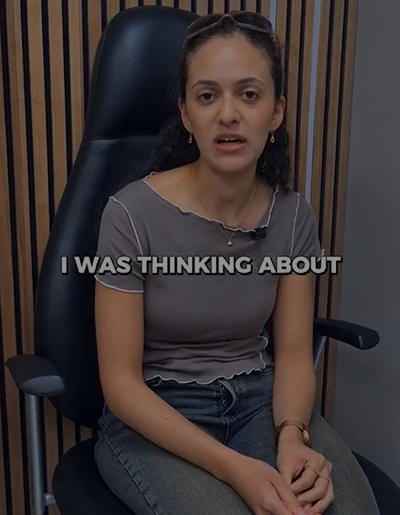
Amira
Laser Eye Surgery
“My questions were answered. I felt a lot more comfortable and I didn’t feel like I was ever rushed or pressured into making the decision.”

Sharon
Laser Eye Surgery
“I thought that was it… And once I saw him — oh my God, it was like… I said to him, you’re like my guardian angel. Because I just felt safe. I actually felt safe in his hands.”
| Condition / Indication | Lacrimal Syringing | Dacryocystorhinostomy (DCR) |
|---|---|---|
| Partial obstruction | ✅ | ❌ |
| Intermittent watering | ✅ | ❌ |
| Complete blockage | ❌ | ✅ |
| Chronic infection | ❌ | ✅ |
| Failed previous syringing | ❌ | ✅ |
At Harley Street Eye Centre in London, your care is consultant-led and tailored to your vision, lifestyle and goals. From first enquiry through consultation, diagnosis and treatment, we explain every step in plain language and agree a plan together. Our clinic at 22a Harley Street combines advanced diagnostics and modern laser/surgical technology with clear aftercare and long-term monitoring where needed (e.g., keratoconus, glaucoma, retina). Use the tabs to see what happens at each stage — from booking to recovery — and what to expect on the day. When you’re ready, book a consultation or call our team.
01
A full diagnostic visit at no charge , autorefraction, OCT, topography, aberrometry, and a real conversation with the surgeon who will treat you.
02
The technique that fits your eyes, ranked clearly. Honest trade-offs, transparent pricing, no obligation.
03
You will be welcomed by our clinical team, who will complete final checks, confirm consent and ensure you are comfortable before treatment. The procedure is performed by your consultant using modern technology, followed by immediate post-operative assessment and provision of tailored aftercare instructions, including guidance for your recovery and onward support.
04
First check-up the morning after , vision tested, healing confirmed, drops explained again with no rush.
05
Three further reviews over the following twelve weeks, plus direct access to the team in between, and twelve-month retreatment cover on most procedures.
Our fees are transparent and inclusive of consultation, treatment planning, and procedural care.
A personalised quotation and full treatment plan are provided following your initial assessment.
From £450 to £5,000 Per Eye

Never a sales team
From your first assessment to your three-month review, the consultant on the call is the consultant in the operating room. No call centre, no pressure script, no juniors fronting the clinical decisions.

Of combined expertise
A senior consultant roster whose careers, taken together, span more than half a century of corneal, cataract, refractive and retinal surgery , across the NHS, internationally and at 22a Harley Street.

Successful treatments
Our advanced treatments are supported by detailed assessments, proven techniques and personalised care plans designed around each patient’s individual needs. From diagnosis through to recovery and ongoing monitoring, we focus on delivering safe, effective treatment pathways with your vision and eye health as the priority.

From your lead surgeon
Mr Marwan Ghabra has been operating since 1985 , founder of the Ghabra Technique, founding member of the International Keratoconus Society, and the surgeon who will plan and perform your procedure.

Clinical decisions
Most enquiries are seen the same week. Urgent cases , corneal damage, sudden change, infection , are seen the same day where clinically possible.

Of aftercare cover
Four post-op reviews over three months, direct team access in between, and twelve-month retreatment cover on most laser procedures, included in the original quote.

Founder and medical director. Cornea, cataract and refractive specialist. Originator of the Ghabra Technique for advanced keratoconus, and founding member of the International Keratoconus Society.
He performed the first phacoemulsification cataract procedure in Damascus in 1998, and continues to take on the complex cases that other clinics decline.
We welcome patients from the UK and overseas seeking advanced care for tear drainage disorders.
Virtual pre-assessment and coordinated treatment planning are available to ensure continuity of care from consultation through to surgery and follow-up.
For detailed information on naso-lacrimal evaluation, procedure options, and post-operative care, download our Tear Drainage Treatment Brochure below.
It includes procedure diagrams, preparation guidelines, and aftercare instructions for both syringing and DCR surgery.

Your tear duct treatment assessment is complimentary. An hour with our diagnostic team and a real conversation with the surgeon who would treat you. No obligation.