
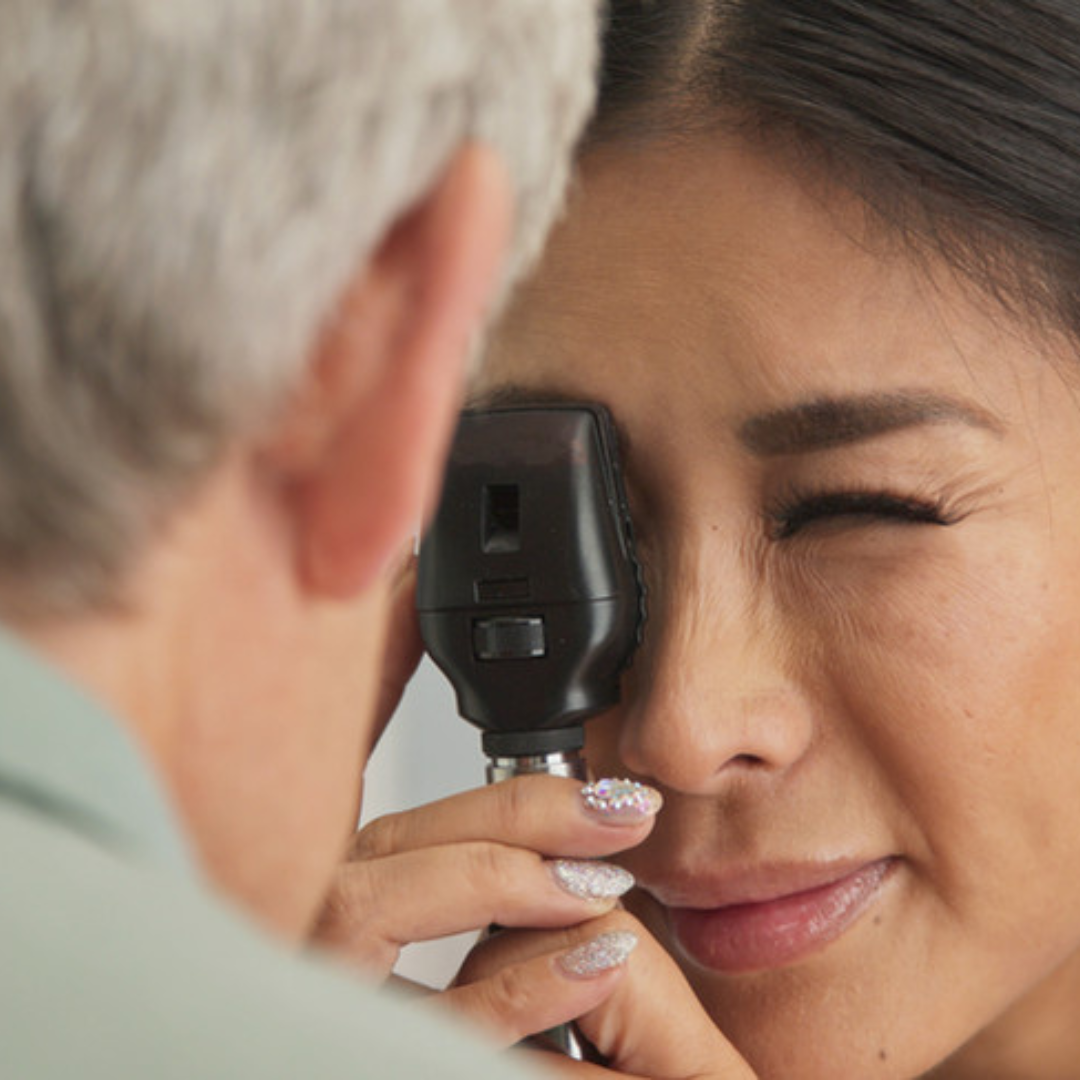
Most of us rub our eyes without a second thought. It’s a natural reaction when we feel tired, itchy, or irritated. But if you’ve been diagnosed with keratoconus, that simple habit could be doing far more harm than you realise.
Over the years, research has shown a clear link between eye rubbing and keratoconus progression. And one of the biggest triggers for rubbing is something many people live with every day: allergies.
Understanding Keratoconus
Keratoconus is a condition where the cornea — the clear, dome-shaped surface of the eye — gradually thins and bulges forward into a cone-like shape. This distortion bends light unevenly, leading to blurred vision, double images, halos, and difficulty seeing at night.
The condition often starts in adolescence or early adulthood. For some, it progresses slowly over decades; for others, changes happen more quickly. While genetics play a role, lifestyle factors such as frequent eye rubbing can accelerate the process.
Why Rubbing Your Eyes Makes It Worse
The cornea may look smooth and strong, but it’s actually a delicate structure held together by collagen fibres. When you rub your eyes, you apply direct pressure to that fragile tissue.
In patients with keratoconus, the cornea is already weaker than normal. Repeated rubbing can stretch and thin the tissue further, distorting its shape and worsening the cone. On top of that, rubbing can trigger the release of inflammatory substances that weaken the collagen bonds even more.
This is why doctors often stress that avoiding eye rubbing is one of the most important things you can do to protect your vision if you have keratoconus.
The Allergy Connection
So why do people rub their eyes so much? One of the biggest culprits is allergy-related irritation.
Seasonal allergies like hay fever, year-round dust or pet allergies, and even allergic conjunctivitis all cause itchy, watery eyes. The urge to rub can feel almost irresistible — a quick way to get some relief. But that relief is temporary, and the long-term effect can be damaging.
It creates a cycle: allergies make your eyes itchy, rubbing makes them feel briefly better, but the mechanical stress pushes keratoconus to progress faster. Many patients don’t realise just how strong this connection is until it’s explained during their consultation.
(CTA: KC walkthrough video)
How to Tell if Eye Rubbing Is a Problem
The tricky thing about habits is that we often don’t notice we’re doing them. Patients are sometimes shocked when they realise how frequently they rub their eyes during the day.
Some people do it in the morning, trying to clear away irritation or dryness after waking. Others rub when pollen or dust triggers allergies, or in the evenings when eyes feel tired from screens. Even rubbing out of stress or fatigue can be enough to cause damage if repeated over time.
If your eyes are regularly red, sore, or irritated after rubbing, it’s a clear sign that it’s time to break the cycle.
Finding Safer Ways to Relieve Itchy Eyes
Of course, telling patients simply to “stop rubbing” isn’t always realistic. When allergies strike, the discomfort can be hard to ignore. The real key is to treat the underlying cause and give your eyes gentler ways to find relief.
Artificial tears can soothe irritation and provide moisture without pressure. For those with allergies, antihistamine eye drops prescribed by a doctor can dramatically reduce itchiness. Some patients find that holding a clean, cold compress over the eyes brings down swelling and irritation without the need to touch or press.
Managing allergies more broadly — whether that’s using air filters at home, avoiding known triggers, or taking oral antihistamines — can also help reduce symptoms before they even start.
Why It Matters for Keratoconus Progression
The reason we focus so much on eye rubbing in keratoconus isn’t just theory — it’s proven in real life. Studies show that people who rub their eyes frequently are more likely to see their condition worsen quickly.
This is especially true in younger patients. A teenager with itchy eyes who rubs daily is at much greater risk of rapid progression than someone who avoids rubbing altogether. That’s why breaking the habit is often as important as medical treatment.
Even when advanced procedures like corneal cross-linking (CXL) are performed to strengthen the cornea, rubbing can undermine the results. Protecting the eye afterwards means giving the treatment the best chance to succeed.
What Doctors Emphasise in Treatment Plans
At The Harley Street Eye Centre, when we meet a new keratoconus patient, we don’t just talk about surgical options. We also take time to understand daily habits, lifestyle, and allergy triggers. For some patients, simple changes like using antihistamine drops or learning to pause before rubbing can make a measurable difference.
For those whose keratoconus is still in early stages, reducing rubbing can help preserve stability until cross-linking or other treatments are needed. For patients already undergoing advanced care such as the Xenia Collagen Implant or topography-guided laser, avoiding rubbing helps protect those investments in their sight.
Want to read more about Keratoconus Treatments? Click here
Living Well With Keratoconus
The good news is that keratoconus today is more treatable than ever before. Cross-linking can halt progression. Implants like Xenia or ring segments can reshape the cornea. Advanced contact lenses provide sharper vision, and in some cases, implantable lenses can restore clarity when the cornea alone can’t be corrected.
But alongside these medical advances, small lifestyle changes matter too. Something as simple as avoiding eye rubbing can have an outsized impact on protecting your long-term vision.
Protecting Your Eyes, Protecting Your Future
It’s astonishing that such a small, everyday habit could play such a big role in a condition as serious as keratoconus. Yet for many patients, learning the link between eye rubbing, allergies, and disease progression is a turning point.
The takeaway is simple: itchy eyes don’t have to mean rubbing. With the right treatments for allergies, regular check-ups, and modern keratoconus therapies, patients can break the cycle, preserve their vision, and live confidently.
Protecting your corneas starts with what you do each day — and saying goodbye to eye rubbing could be the first step towards a clearer future.